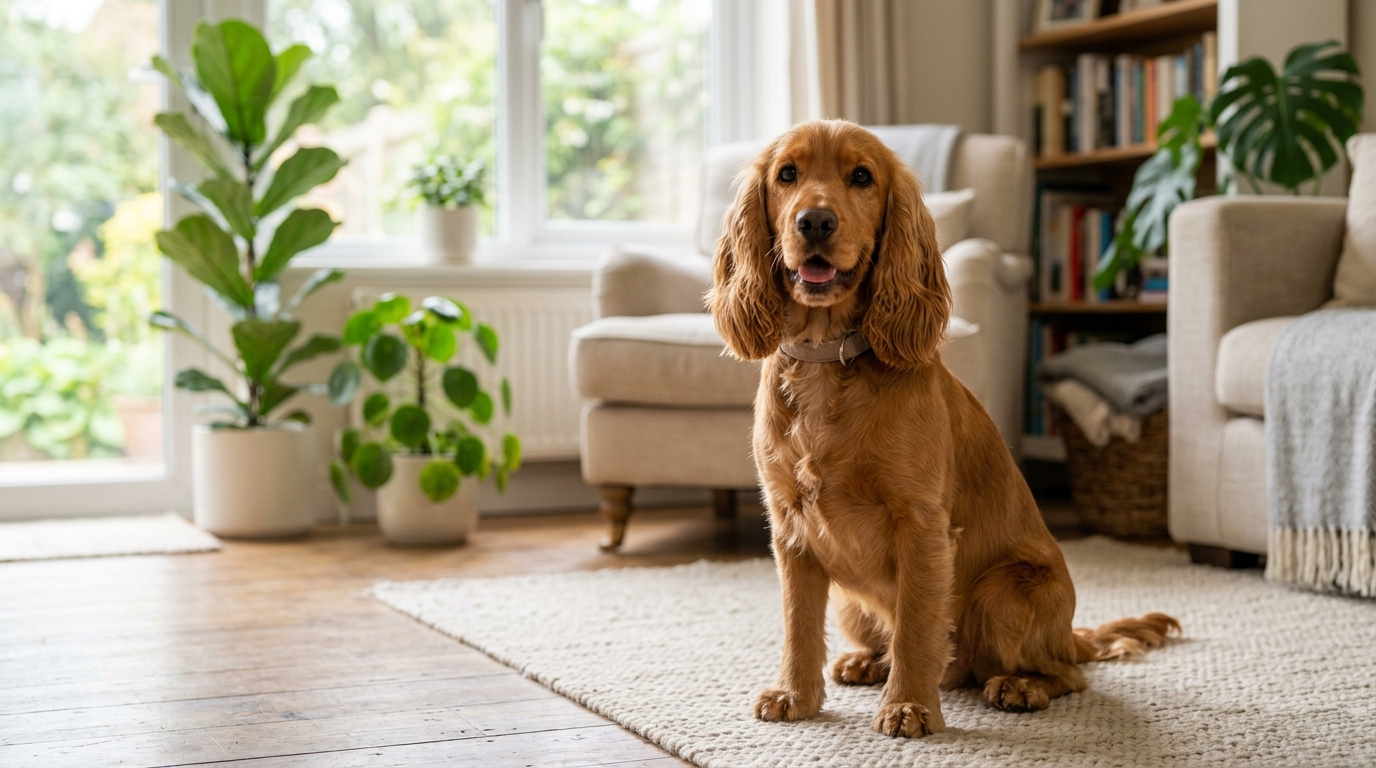
The most common dog ear infection symptoms are head shaking, scratching at the ear, redness and swelling inside the ear flap, a foul odor, and dark or waxy discharge. One or both ears can be affected, and signs may appear suddenly or build up over time. Because ear infections are painful and tend to return if the underlying cause isn’t addressed, recognizing the early signs matters.
Quick answer: Watch for head shaking, ear scratching, a bad smell, redness or swelling, and brown, yellow, or black discharge. According to the Merck Veterinary Manual, otitis externa (outer-ear infection) is the most common ear disorder in dogs. Mild early signs can often be supported with gentle, routine ear cleaning, but painful, recurring, or worsening infections need a veterinary exam.
Keep ears clean as part of a healthy routine
Shop Pure Majesty Dog Ear Cleaner →Table of contents
- Common dog ear infection symptoms
- Signs of a deeper (middle-ear) infection
- What causes ear infections in dogs?
- Safe at-home support
- Ear discharge: what the color can suggest
- When to see your veterinarian
- FAQ
Common dog ear infection symptoms
Outer-ear infections (the medical term is otitis externa) show up in fairly recognizable ways. The signs your dog is uncomfortable usually include:
- Head shaking or head tilting — often the first thing owners notice.
- Scratching or pawing at the ear, or rubbing the head along furniture and the floor.
- Odor — a yeasty, sweet, or foul smell coming from the ear canal.
- Redness and swelling of the ear flap and canal opening.
- Discharge that may be brown, yellow, or black, sometimes waxy or crusty.
- Pain or sensitivity when the ear is touched, and sometimes reluctance to be petted near the head.
Signs can be sudden or ongoing, and can affect one ear or both. Because these symptoms overlap with other issues like ear mites and yeast overgrowth, identifying the real cause is the key to lasting relief.
A quick visual check helps with telling mite debris from normal wax.
Signs of a deeper (middle-ear) infection
If an outer-ear infection is left unaddressed, inflammation can extend deeper into the middle or inner ear (otitis media and interna). These are more serious and can affect balance and hearing. Warning signs include a persistent head tilt, loss of balance or stumbling, walking in circles, rapid eye movements, or apparent hearing loss. Any of these warrants a prompt veterinary visit rather than home care.
What causes ear infections in dogs?
An ear infection is usually a symptom of something else. The Merck Veterinary Manual notes that otitis externa can be triggered by allergies, parasites, foreign objects in the canal, excess moisture, and overgrowth of bacteria or yeast (commonly Malassezia pachydermatis). The shape of the ear also matters — dogs with long, floppy ears or narrow, hairy canals trap warmth and moisture, creating an environment where microbes thrive.
This is why infections so often come back: unless every underlying factor is addressed, the problem tends to return. Veterinarians think in terms of primary causes (like allergies), secondary infections (bacteria and yeast), and factors that let it persist (moisture, canal shape). Dogs with bacterial and yeast infections often need rechecks over two to four weeks until the ear is clear.
Support drier, cleaner ears between vet visits
Shop Pure Majesty Dog Ear Cleaner →Safe at-home support
For a dog with only mild, early signs — a bit of odor or waxy buildup, no obvious pain — gentle routine care can help support ear hygiene:
- Keep ears dry after baths and swimming; moisture is a major driver of overgrowth.
- Use a proper dog ear cleaner designed to help loosen wax and debris, applied as directed. Never use cotton swabs deep in the canal — they can push debris further in.
- Check ears weekly, especially in floppy-eared breeds, so you catch changes early.
- Support the skin barrier if allergies are a factor, following your veterinarian’s guidance.
Routine cleaning is about maintenance and prevention — it helps maintain a clean ear environment. It is not a substitute for veterinary care once an active, painful infection has set in. For a step-by-step routine, see our guides on how to clean dog ears at home and choosing a dog ear cleaner.
Ear discharge: what the color can suggest
| Discharge / sign | May be associated with | What to do |
|---|---|---|
| Light brown, waxy | Normal wax or early buildup | Routine cleaning; monitor |
| Dark brown / black, crumbly | Yeast overgrowth or ear mites | Vet check to confirm the cause |
| Yellow / green, smelly | Bacterial infection | See your veterinarian |
| Bloody or very painful | Deeper infection or injury | Prompt veterinary visit |
Color is only a clue, not a diagnosis — a veterinarian confirms the cause with an ear-swab cytology under the microscope. Learn more in our complete guide to dog ear care and our overview of why a dog’s ears smell.
Pure Majesty Pets — Dog Ear Cleaner
A gentle, dog-safe ear cleaning solution formulated to support normal ear hygiene by helping loosen wax and debris and keep the canal dry. A simple weekly habit for floppy-eared dogs and frequent swimmers.
- Helps flush wax, dirt, and moisture
- Gentle, no harsh alcohol sting
- Easy to work into a weekly routine
When to see your veterinarian
Book a veterinary visit if your dog shows clear pain, strong odor, colored discharge, swelling, or if symptoms last more than a day or two. Go promptly for a head tilt, balance problems, or suspected hearing loss, which can point to a deeper infection. Also see your vet for any ear infection that keeps coming back — recurring infections usually mean an underlying allergy or other primary cause that needs a plan. Only a veterinarian can safely examine the eardrum, run cytology, and recommend the right medicated treatment. Our guide on managing mild ear issues at home explains where home care ends and veterinary care begins.
Frequently asked questions
How do I know if my dog has an ear infection or just dirty ears?
Normal ears have a little light-brown wax and no odor. Signs pointing to infection include a strong smell, redness, pain, head shaking, and dark or colored discharge. When in doubt, a quick vet check settles it.
Can a dog ear infection go away on its own?
Mild irritation from moisture may settle with good hygiene, but true infections rarely clear without addressing the cause and usually get worse. Persistent or painful symptoms need veterinary care.
Are ear infections painful for dogs?
Yes. Inflamed ear canals can be quite painful, which is why many dogs resist having their ears touched and shake their heads to relieve the discomfort.
How can I help prevent ear infections?
Keep ears dry after baths and swimming, clean them routinely with a proper dog ear cleaner, check them weekly, and work with your vet to manage any underlying allergies.
How long do dog ear infections take to clear up?
With appropriate veterinary care, many outer-ear infections improve within one to two weeks, though bacterial or yeast infections may need rechecks over two to four weeks until the ear is fully clear.
Veterinary disclaimer: This article is for educational purposes only and is not a substitute for professional veterinary advice, diagnosis, or treatment. If you suspect your dog has an ear infection, please consult your veterinarian.
Build a simple weekly ear-care habit
Shop Pure Majesty Dog Ear Cleaner →Related articles
- The Complete Guide to Dog Ear Care
- Dog Ear Yeast Infections Explained
- Why Do My Dog’s Ears Smell?
- Why Is My Dog Scratching Its Ear?
Sources
- Merck Veterinary Manual — Ear Infections and Otitis Externa in Dogs.
- Merck Veterinary Manual — Otitis Media and Interna in Dogs.
- American Kennel Club (AKC) — Dog Ear Infections: Symptoms and Prevention.
Last updated: July 8, 2026. Written by the Dog Health Insider Editorial Team. This post may contain affiliate links; if you buy through them we may earn a commission at no extra cost to you.